Lessons learned after two years of the COVID-19 pandemic
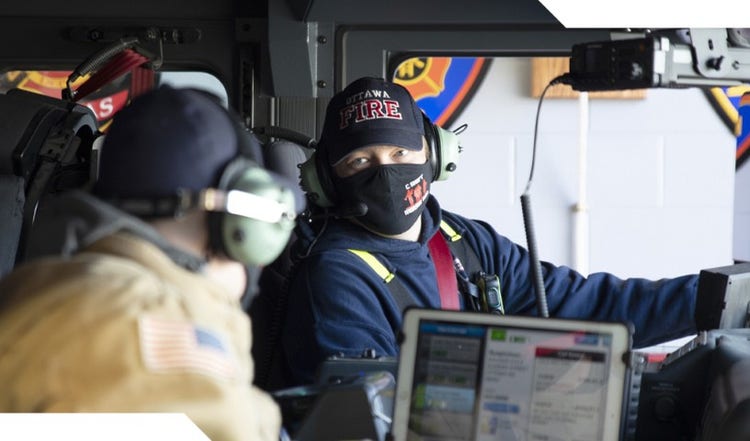
The COVID-19 Pandemic dramatically changed the way the world functioned. People had to find new ways to adapt to changing situation. And others had to find a way to adapt to a life centered on staying home.
First responders continued to show up and help those who needed it most. We’ve learned many lessons as a result of the pandemic. But the ones that focus on the health and wellness of first responders help ensure that those who protect us will receive the help they need to be able to do their jobs.
Physical, mental health matter
The pandemic shifted the way we perceive the physical and mental health of first responders. While physical health has always been on the radar, mental health has moved to the forefront the last two years. The increased demands and operational tempo of responding to the pandemic has led to both physical and mental exhaustion among public safety.1 And responding to COVID-19 helped to identify critical strategies for coping with this exhaustion. Some of these strategies include:
- Moving daily: Physical activity and exercise can have a positive impact on your physical and mental health 2 . Something as simple as a 10 minute walk every day gets the body moving and helps decrease levels of anxiety. Many places provide a variety of at-home exercise programs geared towards different activities and varying experience levels. So, you can try out different activity types and determine what works best for you. The O2X Human Performance app, which is FirstNet Verified™, also can help public safety find physical activity training solutions. O2X strives to improve first responders 1% better every day.
- Seeking out peer support: Addressing mental health concerns is not the same for everyone, but peer support groups can have a positive impact on those who participate 3 . These groups allow you to share experiences with others who can understand what you’re going through. They’ve been in similar situations and understand the unique stressors of the job. And while peer-to-peer support can be challenging in a socially distant world, the ResponderRel8 app can connect you with an anonymous peer-to-peer connection, wherever you are.
- Practicing mindfulness and gratitude: Mindfulness and gratitude can increase certain aspects of brain function and help reduce stress 4 . Focusing on the tangible aspects of your life can help center you at an overwhelming time and help you reduce stress. Simple acts, such as daily guided meditation or creating a gratitude wall can help to provide emphasis to these simple ways to help boost mental health.
- Taking care of your body: In addition to daily movement, ensuring that you’re eating right and getting proper rest is crucial to staying healthy 5 . Making sure that the body has the right nutrition can help boost immune system response, energy, and overall brain function. And getting adequate sleep provides similar benefits. Being in a sleep debt can put you at an elevated risk for slow thinking, confusion, and making mistakes 6 .
- Seeking professional help if needed: Many departments have a crisis resource center and a place to post contact information and resources for those who wish to seek professional help 7 . Plus various helplines, such as the Suicide Prevention Lifeline (1-800-273-8255) or COPLine (1-800-COPLINE) or Safe Call Now (206-469-3020), and a variety of telehealth services can provide counseling. Two years into the pandemic, and you’re still encouraging others to call for help when they need it. You should do the same.
Move to thrive
While stress undoubtedly existed in the first responder community before the pandemic, the dramatic shift in the world’s dynamics compounded the stress. First responders experienced burnout at a higher rate than in previous years due to an increased workload and constant exposure to the devastating impacts of COVID-198.
Recognizing the signs of stress and burnout is the universal starting point for identifying the proper treatment. Most commonly, symptoms include feelings of irritation, anger, denial, uncertainty, nervousness, anxiousness, helplessness, or powerless. A lack of motivation, feeling tired or overwhelmed, feeling sad or depressed, having trouble sleeping, or having trouble concentrating9. And individuals do not have to be experiencing all of these symptoms to be experiencing stress or burnout.
Actively working to build resilience and focusing on opportunities for personal growth can help protect against burnout and increased levels of stress. The concept of turning traumatic stress into an opportunity for growth and meaning is called posttraumatic growth. The overall concept of building resilience or growing from traumatic experience may seem daunting. But adding or altering a few simple tasks in your day-to-day life can help enhance your sense of well-being10.
Through a partnership with the Boulder Crest Foundation, FirstNet®, Built with AT&T is working to bring Posttraumatic Growth training to first responder departments around the country. By shifting the culture of organizations towards growth and wellness, we have an opportunity to facilitate thriving behaviors.
Know your resources
Whether addressing physical or mental health; seeking meaning, purpose, or personal growth, responders need to know what resources can help them. The pandemic isn’t going away. There isn’t going to be a miraculous return to pre-COVID times. Too many things have changed.
But communities continue to need public safety to be ready and responsive in times of need. So, it’s important you know where to go for help when their situation is something they are unable to handle on their own. Having resources readily available and providing support to those who need them is an instrumental way to help mitigate the effects of stress and burnout within the department.
Public safety agencies can create their own custom health and wellness resource app to have a one-stop shop for health and wellness resources on their mobile devices. Through a partnership with Lighthouse Health and Wellness, FirstNet is helping to deliver solutions that make health and wellness resources available on public safety phones.
While these three lessons are some of the more important ones learned as a result of the COVID-19 pandemic, we’ve learned many others as the situation continues to evolve and new information is discovered.
In a time of mass panic, it is important for first responders to know their departments and communities are focusing on them and doing what it takes to slow down and mitigate the impacts of the virus. First responders have continued to show up for the duration of the pandemic. And implementing changes that focus on improving their overall health and wellness helps them and has a positive impact on their communities. As the situation continues to evolve, we’ll learn other lessons as people adapt to an ever-changing environment.
Annie Patterson is a Project/Program Management Specialist with the FirstNet Demo Program. She is a 2020 graduate of Roanoke College with a major in Sociology concentrating in crime & deviance and a minor in Spanish. Annie is a passionate advocate for first responders because she has seen first-hand how selfless and willing to help others they are and believes that it is important to advocate for those who dedicate their lives to heling others in difficult circumstances.
Dr. Anna Fitch Courie, Director of Responder Wellness, FirstNet Program at AT&T is a nurse, Army wife, former university faculty, and author. Dr. Courie has worked for over 20 years in the health care profession including in the bone marrow transplant, intensive care, public health, and health promotion practices. Dr. Courie holds a Bachelor’s in Nursing from Clemson University; a Master’s in Nursing Education from the University of Wyoming; and a Doctor of Nursing Practice degree from Ohio State University. Her area of expertise is integration of public health strategy across disparate organizations to achieve health improvement goals.
1 https://www.ems1.com/health-wellness/articles/protecting-the-mental-health-of-first-responders-during-a-pandemic-U1LTkVxHYf09u8Ql/
2 https://medicine.umich.edu/dept/psychiatry/michigan-psychiatry-resources-covid-19/your-lifestyle/importance-physical-activity-exercise-during-covid-19-pandemic
3 https://emergency.cdc.gov/coping/responders.asp
4 https://www.nami.org/Blogs/NAMI-Frontline-Wellness/2020/How-to-Take-Care-of-Yourself-When-You-re-a-First-Responder-During-the-Coronavirus-Pandemic
5 https://www.firstwatch.net/wp-content/uploads/2018/05/DHS-Comprehensive-First-Responder-Pandemic-Guide-Pandemic.pdf
6 https://www.cdc.gov/niosh/emres/longhourstraining/risks.html
7 https://www.cdc.gov/mentalhealth/stress-coping/healthcare-workers-first-responders/index.html?CDC_AA_refVal=https%3A%2F%2Fwww.cdc.gov%2Fcoronavirus%2F2019-ncov%2Fhcp%2Fmental-health-healthcare.html
8 https://dps.alaska.gov/getmedia/d8580635-ad42-4ac2-b97b-996155b7dd8e/covid-19-mental-health-support-for-first-responders.pdf
9 https://www.cdc.gov/mentalhealth/stress-coping/healthcare-workers-first-responders/index.html?CDC_AA_refVal=https%3A%2F%2Fwww.cdc.gov%2Fcoronavirus%2F2019-ncov%2Fhcp%2Fmental-health-healthcare.html
10 https://www.cdc.gov/mentalhealth/stress-coping/healthcare-workers-first-responders/index.html?CDC_AA_refVal=https%3A%2F%2Fwww.cdc.gov%2Fcoronavirus%2F2019-ncov%2Fhcp%2Fmental-health-healthcare.html